
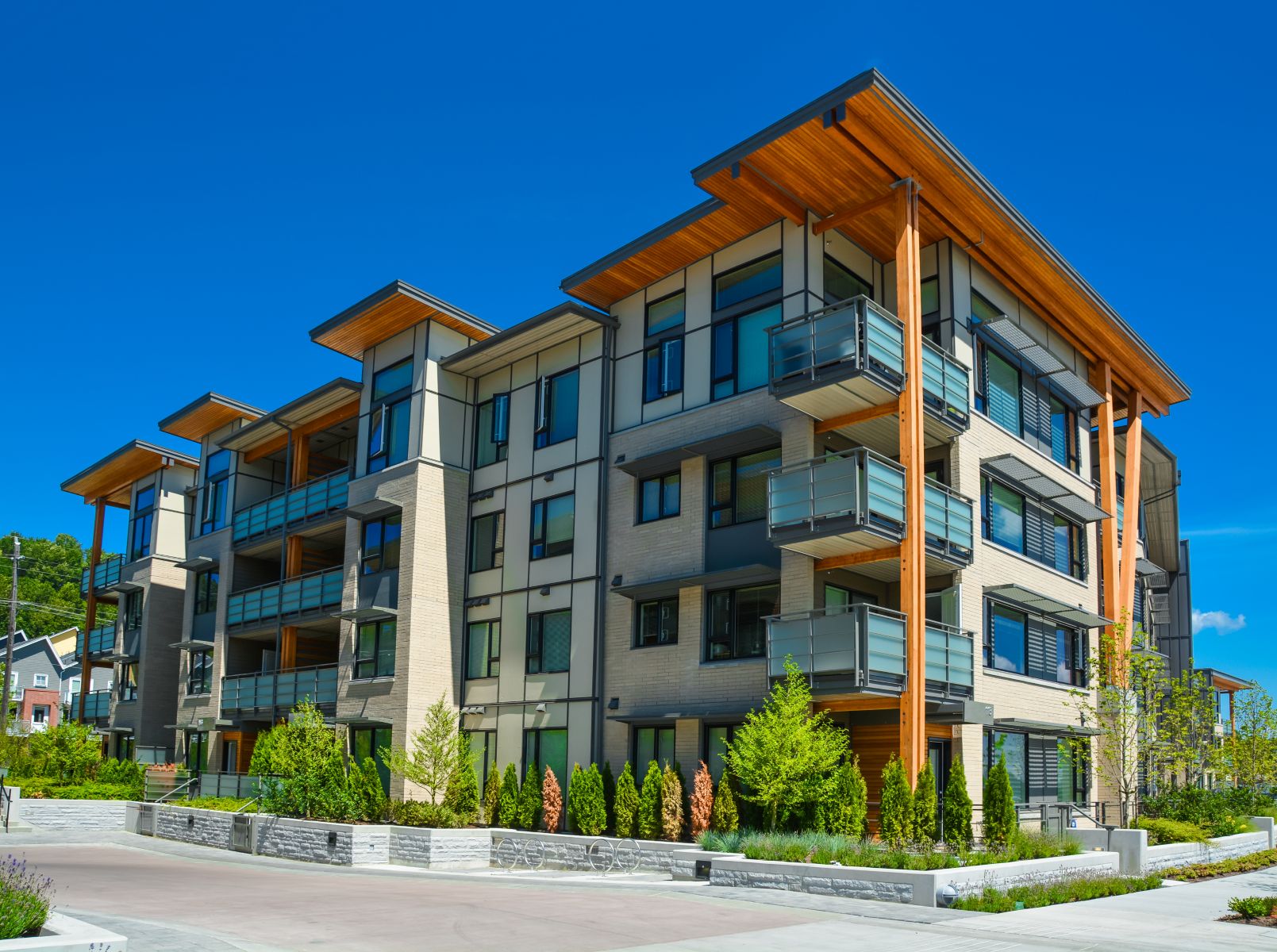
Converting a residential property into a multiplex in Toronto can be a smart way to generate rental income, maximize property value, and diversify real estate investments. However, navigating the city’s regulations is essential to ensure a legal and safe conversion. Without proper guidance, homeowners may encounter fines, permit delays, or costly structural issues.
This guide provides a comprehensive overview of the rules, permits, and considerations for converting a single-family home into a duplex, triplex, or fourplex in Toronto. From zoning restrictions to building permits, structural requirements, and tenant regulations, understanding these factors helps homeowners plan efficiently and execute conversions successfully. For further insights, visit our Residential – Toronto residential construction page.
What is a Multiplex in Toronto?
A multiplex refers to a residential building divided into multiple self-contained units. In Toronto, common types include duplexes (two units), triplexes (three units), and fourplexes (four units). These configurations allow homeowners to rent out individual units while maintaining some personal use of the property.
Multiplexes serve multiple purposes. They are often used as rental properties to generate steady income, but some homeowners retain one unit for family use while leasing the others. Each type of multiplex comes with distinct planning and design requirements, and homeowners must consider unit layouts, access points, and shared amenities. For examples of successful projects, check residential construction services.
Zoning & Municipal Regulations
Before beginning a multiplex conversion, homeowners must understand Toronto’s zoning by-laws. Different neighborhoods have specific restrictions on the number of units allowed, floor space ratios, and minimum lot sizes. Adhering to these rules ensures the property remains compliant and eligible for permits.
Setback requirements regulate how close the building can be to property lines, while parking requirements determine the number of spaces needed per unit. Proper planning for access, driveways, and shared spaces is crucial to avoid violations. Familiarity with these municipal regulations is vital to a smooth conversion process. For guidance on regional standards, refer to Brampton residential construction services.
Building Permits & Approval Process
Converting a home into a multiplex requires several permits, including building, electrical, plumbing, and zoning approvals. Applications must be submitted to the City of Toronto, detailing the proposed design, unit layouts, and compliance with local codes.
After submission, inspections are conducted at key stages to ensure adherence to regulations, covering structural work, fire safety, and MEP systems. The timeline for approvals can vary, so planning for 4–12 weeks is recommended. Understanding the process upfront prevents delays and ensures a legal, safe conversion.
Structural & Safety Requirements
Multiplex conversions require careful attention to structural integrity and safety. Load-bearing walls may need reinforcement, and foundation or roof modifications might be necessary to support additional units.
Fire safety is paramount, including proper emergency exits, smoke detectors, and sprinkler systems if required. Electrical, plumbing, and HVAC systems must be upgraded to accommodate multiple households, ensuring each unit has safe, independent access to utilities and services.
Cost Considerations for Multiplex Conversion
Costs for multiplex conversions vary depending on unit number, size, design complexity, and required upgrades. Small duplex conversions may involve minor interior renovations, while larger triplexes or fourplexes require significant structural, mechanical, and safety modifications.
Hidden costs include inspections, permit fees, and unexpected repairs. Homeowners should also consider potential rental income when calculating return on investment, making multiplex conversions a financially viable option. For professional cost estimates, explore Vista Builders’ multiplex conversion services.
Tenant & Accessibility Regulations
Toronto requires that all residential conversions comply with accessibility standards under the AODA. This ensures safe access for all residents, including those with mobility challenges.
Noise control, ventilation, privacy between units, and health and safety measures must be considered when designing multiplex layouts. Meeting these requirements protects tenants and prevents violations that could delay approvals or result in fines.
Timeline for Multiplex Conversion
The typical timeline for a multiplex conversion includes:
- Planning & Design: 4–6 weeks
- Permits & Approvals: 4–12 weeks
- Construction: 12–20 weeks depending on complexity
Planning the project carefully and coordinating with experienced contractors can minimize delays and ensure compliance. For professional guidance on project timelines, visit Ontario residential construction services.
Common Challenges & How to Avoid Them
Homeowners often face zoning restrictions that limit unit additions or require variances. Permit delays or failed inspections can also extend timelines.
Unexpected structural issues, such as foundation or roof modifications, can lead to budget overruns. Engaging experienced contractors, conducting early site assessments, and preparing for contingencies helps mitigate these challenges and ensures a smooth conversion.
Conclusion
Multiplex conversions in Toronto offer significant financial and practical benefits but require careful planning, regulatory compliance, and expert execution. Understanding zoning laws, permits, structural upgrades, and tenant requirements ensures a safe, profitable, and legal outcome.
Contact Vista Builders for professional multiplex conversion services in Toronto and surrounding cities. Their team provides expertise in design, construction, and approvals, guiding homeowners through every step of a successful conversion.