
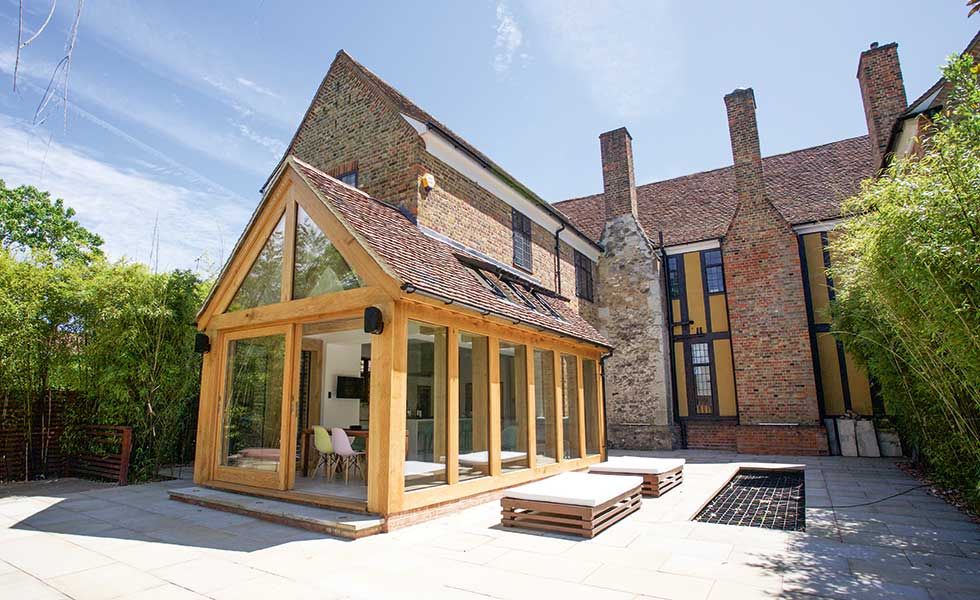
Richmond Hill is widely known for its prestigious neighborhoods, spacious residential lots, and steadily increasing property values. As housing demand continues to grow across the Greater Toronto Area, many homeowners are choosing to expand their existing properties rather than move. Horizontal additions have become an increasingly popular solution for families who want to add living space while preserving their location in one of the region’s most desirable communities.
Expanding a home outward offers several advantages. It allows homeowners to significantly increase square footage, redesign interior layouts, and add luxury living areas without the stress and expense of relocating. Whether the goal is to build a larger kitchen, create open-concept living spaces, or accommodate multi-generational living, extending the footprint of a home can unlock remarkable possibilities.
However, undertaking a large residential expansion requires careful planning and accurate budgeting. Construction costs, structural considerations, permits, and design decisions all influence the final investment. With material prices and labor demand evolving in 2026, understanding these factors is more important than ever.
This guide explains the typical cost ranges, key factors that influence pricing, realistic project timelines, and long-term value benefits. Homeowners planning a major property upgrade can also explore insights from Luxury Home Expansion Experts to better understand what is possible when expanding a home in Richmond Hill.
Why Expanding Your Home Horizontally Is a Smart Choice
Many homeowners in Richmond Hill prefer to remain in their established neighborhoods rather than move to a new property. Horizontal home additions provide a practical solution that preserves location advantages while dramatically improving living space and functionality.
One of the biggest benefits is maintaining access to prestigious neighborhoods. Richmond Hill offers excellent schools, convenient transportation, and a strong sense of community. Moving to another area often means sacrificing these advantages or paying a premium for a comparable property.
Extending a home outward also allows homeowners to maximize the potential of their existing lot. Many properties in Richmond Hill have enough land to accommodate additional square footage through rear or side expansions. These projects can introduce larger kitchens, extended family rooms, home offices, or additional bedrooms without altering the character of the neighborhood.
Another growing trend is multi-generational living. Families increasingly require flexible layouts that allow parents, children, and extended family members to live comfortably under one roof. A horizontal addition can create private suites, expanded gathering areas, or additional living quarters that improve daily functionality.
Avoiding relocation costs is another major advantage. Real estate commissions, moving expenses, legal fees, and land transfer taxes can add up quickly when purchasing a new property. Expanding an existing home allows homeowners to invest directly into improving their current residence instead.
Ultimately, a well-designed expansion can significantly enhance property value while providing long-term lifestyle benefits.
Typical Cost of Horizontal Home Additions in Richmond Hill
The cost of expanding a home sideways varies depending on the size of the addition, structural complexity, and the level of finishes selected. While each project is unique, understanding typical industry ranges can help homeowners establish realistic budgets.
Cost Per Square Foot
Single-level rear or side additions generally range between $300 and $450 per square foot. These projects often include new living rooms, family spaces, or dining areas that seamlessly connect with the existing home.
More complex multi-room expansions may range between $400 and $600 per square foot, especially when multiple functional areas such as kitchens, bathrooms, and bedrooms are added simultaneously.
High-end projects with luxury finishes can exceed $600 per square foot. These additions frequently include premium materials such as custom cabinetry, natural stone surfaces, high-end appliances, and architectural design features that elevate the home’s overall aesthetic.
Total Project Cost Overview
Smaller additions between 200 and 500 square feet typically cost between $120,000 and $250,000, depending on finishes and structural work.
Medium-sized expansions ranging from 500 to 1,200 square feet often require budgets between $250,000 and $700,000, particularly when new kitchens or bathrooms are included.
Large luxury expansions exceeding 1,200 square feet can surpass $800,000 to $1.5 million or more, especially for high-end properties with sophisticated design elements.
In addition to construction expenses, homeowners should also plan for architectural drawings, engineering assessments, municipal permits, and inspections. These professional services ensure the project meets local regulations and maintains structural integrity.
Major Elements That Influence Expansion Costs
Several factors determine how much a horizontal home addition will ultimately cost. Understanding these elements allows homeowners to make informed decisions and prioritize their investment effectively.
Size and Overall Project Scope
The most obvious cost factor is the total square footage being added. Larger additions require more materials, labor, and construction time. Projects that introduce multiple rooms or integrate complex layouts will naturally require larger budgets.
Structural and Engineering Requirements
Expanding a home often involves modifying existing load-bearing walls, reinforcing foundations, or extending structural systems. Engineering assessments and specialized construction methods are required to ensure safety and stability.
Interior Finish Quality
Material selections can significantly affect the final price. Standard finishes may include engineered flooring and prefabricated cabinetry, while luxury additions often feature custom millwork, designer lighting, premium stone countertops, and integrated appliances.
Permits and Municipal Compliance
Local regulations require homeowners to obtain approvals before construction begins. Permit fees, inspections, and zoning reviews can influence both the cost and timeline of the project.
Site Preparation and Exterior Adjustments
Expanding a home may require grading adjustments, foundation excavation, or landscaping modifications. These site-related factors can add additional construction costs depending on the condition of the property.
Homeowners researching project feasibility often review examples completed by Home Extension Contractors in Richmond Hill to better understand design possibilities and typical investment levels.
Larger projects and higher-end finishes generally extend the construction timeline but also deliver greater long-term value.
Expected Timeline for Horizontal Home Expansions
A horizontal home addition involves several stages that must be carefully coordinated between designers, engineers, and construction professionals.
The process typically begins with the design and planning phase, which usually lasts 6 to 10 weeks. During this stage, architectural drawings are created, materials are selected, and the scope of work is finalized.
Once designs are completed, permit approvals and municipal compliance reviews may take 3 to 8 weeks depending on the complexity of the project and zoning considerations.
The main construction phase generally lasts 4 to 7 months, depending on the size of the addition and the level of customization involved. Larger projects with kitchens, bathrooms, and luxury features may require longer timelines.
Occasional delays may occur due to inspections, supply chain challenges, or weather conditions. Clear communication between the homeowner and construction team helps ensure the project stays organized and progresses efficiently.
Additional Expenses Homeowners Often Forget to Budget For
While construction costs are the primary expense in a home expansion project, several additional costs are frequently overlooked during early planning stages.
Temporary relocation is sometimes necessary when major structural work affects key living areas. Renting temporary accommodation for a few months may add unexpected costs.
Utility upgrades are another common expense. Electrical panels, plumbing systems, and HVAC units may require modifications to accommodate the new living space.
Landscaping restoration is often required once construction is completed. Driveways, gardens, and outdoor features may need adjustments to blend seamlessly with the expanded home.
In some cases, demolition may reveal hidden structural issues such as outdated framing or foundation weaknesses. Addressing these problems early ensures the long-term safety of the property but may add to the overall cost.
For this reason, many professionals recommend allocating 10–20% of the total budget as a contingency reserve for unforeseen adjustments.
Selecting the Right Team for a Successful Expansion
Choosing an experienced builder is one of the most important steps in ensuring a successful home expansion. Large residential projects require careful coordination between architects, engineers, trades, and project managers.
Homeowners should begin by reviewing portfolios of previous projects to evaluate construction quality and design expertise. Builders who specialize in high-end additions are typically better equipped to manage complex structural work and luxury finishes.
Transparent budgeting is another critical factor. A professional contractor provides detailed cost estimates outlining labor, materials, and construction phases so homeowners clearly understand the full scope of the investment.
Strong project management also ensures that every stage of construction proceeds smoothly. Coordinating trades, scheduling inspections, and managing material deliveries requires experience and organization.
Homeowners may also compare work completed by Home Extension Contractors in Oakville and Home Extension Contractors in Vaughan to better understand regional design styles and construction standards.
A reliable builder provides ongoing communication throughout the project and supports homeowners even after construction is completed.
Conclusion
Expanding a home horizontally in Richmond Hill can significantly improve living space while preserving the advantages of living in a prestigious neighborhood. Costs vary depending on the size of the addition, structural complexity, and the quality of finishes selected, making careful planning essential before construction begins.
By understanding the key factors that influence pricing, preparing for hidden expenses, and establishing a realistic timeline, homeowners can approach their expansion project with confidence. Working with experienced professionals ensures that architectural design, structural integrity, and construction quality are handled with precision.
For homeowners considering a luxury home addition, consulting experienced specialists and obtaining detailed project estimates is the best way to transform expansion ideas into a beautifully executed living space that enhances both lifestyle and long-term property value.