
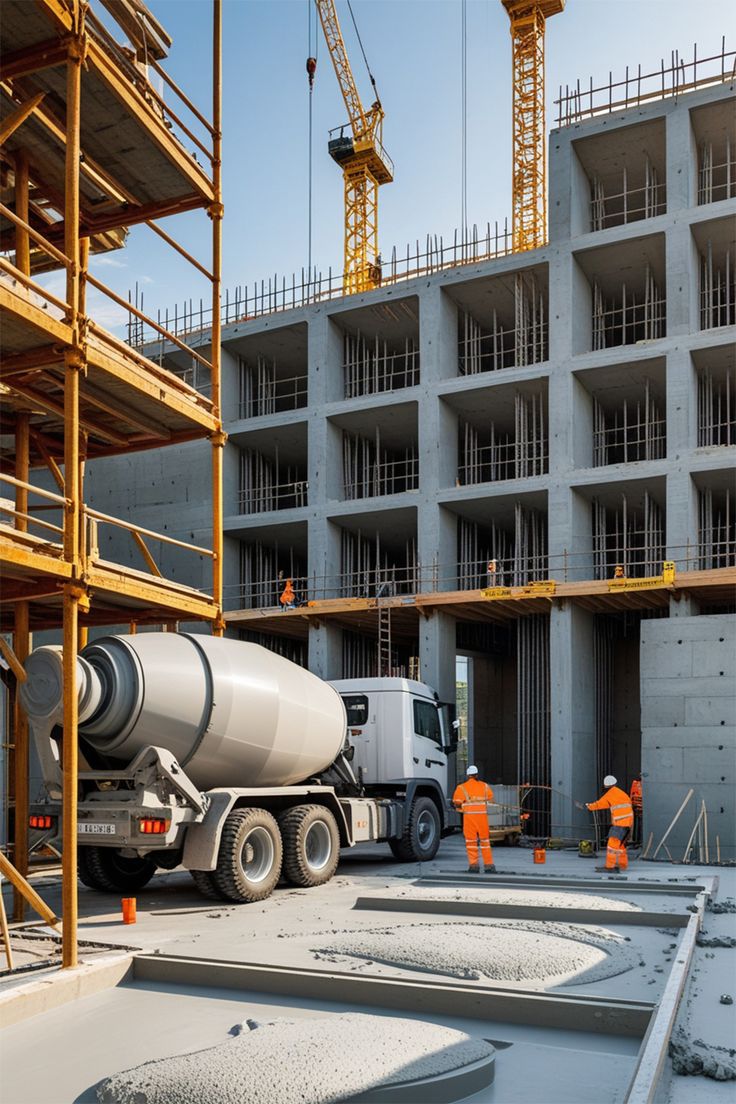
Milton’s rapid commercial expansion, coupled with the growth of new residential subdivisions, has created a strong demand for retail plazas and mixed-use developments. Developers are increasingly investing in these projects to capitalize on high-traffic areas and emerging neighborhoods.
Understanding realistic construction timelines is essential for planning budgets, coordinating tenants, and meeting lender or investor expectations. In 2026, market conditions such as rising material costs, labor availability, and municipal review durations are impacting scheduling more than ever.
This guide provides a comprehensive breakdown of commercial plaza construction timelines, covering planning stages, permit processes, core construction phases, tenant fit-outs, and potential delays. For broader insights into development projects, the commercial construction offers guidance on municipal approvals and construction planning.
Why Timeline Planning Is Critical for Commercial Plazas in Milton
Planning timelines for commercial plazas is essential to coordinate multiple stakeholders. Pre-leasing agreements and tenant commitments often dictate construction start dates and milestones.
Financing and lender requirements typically include staged draw schedules, which are contingent on completing specific phases on time. Delays in municipal approvals or zoning compliance can cascade into increased construction costs, missed occupancy targets, and strained tenant relationships.
Careful timeline management helps minimize cost overruns while ensuring phased occupancy aligns with revenue projections. In the long term, accurate planning protects developer ROI, enhances project predictability, and ensures that the plaza meets market demands efficiently.
Step-by-Step Commercial Plaza Construction Timeline
1. Land Acquisition & Feasibility Study (1–3 Months)
Site selection involves reviewing zoning compliance and land use restrictions. Environmental and geotechnical assessments identify potential site limitations or additional engineering requirements.
2. Design & Architectural Planning (2–4 Months)
Develop a concept design and site layout, incorporating traffic flow, parking, and tenant needs. Engineering drawings and consultant coordination ensure structural, mechanical, and electrical requirements are integrated early.
3. Permit Approvals & Municipal Review (2–6 Months)
Submit site plans and building permit applications. Address any revisions or compliance requirements identified by municipal reviewers to secure approvals.
4. Site Preparation & Servicing (1–2 Months)
Clear, grade, and excavate the site. Coordinate utility connections, stormwater management, and site servicing for future tenant use.
5. Core Construction Phase (6–12 Months)
Construct foundations and structural framing. Complete roofing, exterior envelope, and mechanical systems. Finish interior shell work to prepare units for tenant customization.
6. Tenant Fit-Out & Final Inspections (1–4 Months)
Customize individual tenant units according to lease agreements. Complete fire safety inspections and secure final occupancy approvals before opening.
Factors That Can Affect Commercial Plaza Timelines
- Project Size & Structural Complexity: Larger plazas or anchor-tenant developments naturally require more time.
- Zoning & Site Plan Approval Delays: Municipal review periods can extend timelines significantly.
- Weather & Seasonal Impacts: Rain, snow, or extreme temperatures affect construction productivity.
- Material Supply & Labor Availability: Shortages or lead times may slow core construction.
- Tenant-Specific Customizations: Individual fit-outs add variability to the final completion schedule.
Phased construction strategies and contingency planning help mitigate delays and keep projects aligned with revenue goals.
Estimated Total Project Duration in Milton
- Small Neighborhood Plazas (<10,000 sq ft): Typically 12–15 months.
- Mid-Size Retail Plazas (10,000–40,000 sq ft): Approximately 15–20 months.
- Large Mixed-Use or Anchor-Tenant Developments: Can extend 18–24+ months depending on complexity.
Maintaining a clear schedule, monitoring milestones, and coordinating contractors are key to keeping projects on track.
Common Delays Developers Should Anticipate
Extended municipal review periods and engineering revisions can disrupt construction timelines. Coordinating utility servicing, inspections, and addressing last-minute tenant requests are other common sources of delay. Anticipating these challenges helps developers maintain realistic schedules and prevent cost overruns during tenant fit-outs.
Choosing the Right Commercial Builder for Plaza Developments in Milton
Selecting an experienced commercial builder ensures smooth project delivery:
- Expertise in multi-unit commercial developments.
- Knowledge of site plan approvals, permits, and municipal compliance.
- Transparent scheduling, milestone tracking, and reporting.
- Coordination with engineers, architects, and trades.
- Portfolio of successfully completed Milton commercial projects.
For regional expertise, developers can refer to Commercial Construction Company in Milton, and Commercial Construction Company in Toronto,
Conclusion
Realistic timeline planning is essential for commercial construction in Milton. From land acquisition to tenant fit-outs, careful scheduling, early municipal approvals, and experienced contractors are critical to avoid delays and maximize ROI.
Developers should request feasibility consultations before breaking ground to align expectations, manage costs, and ensure timely project delivery. Planning thoroughly now ensures that the plaza opens efficiently, meets tenant requirements, and remains a profitable investment.