
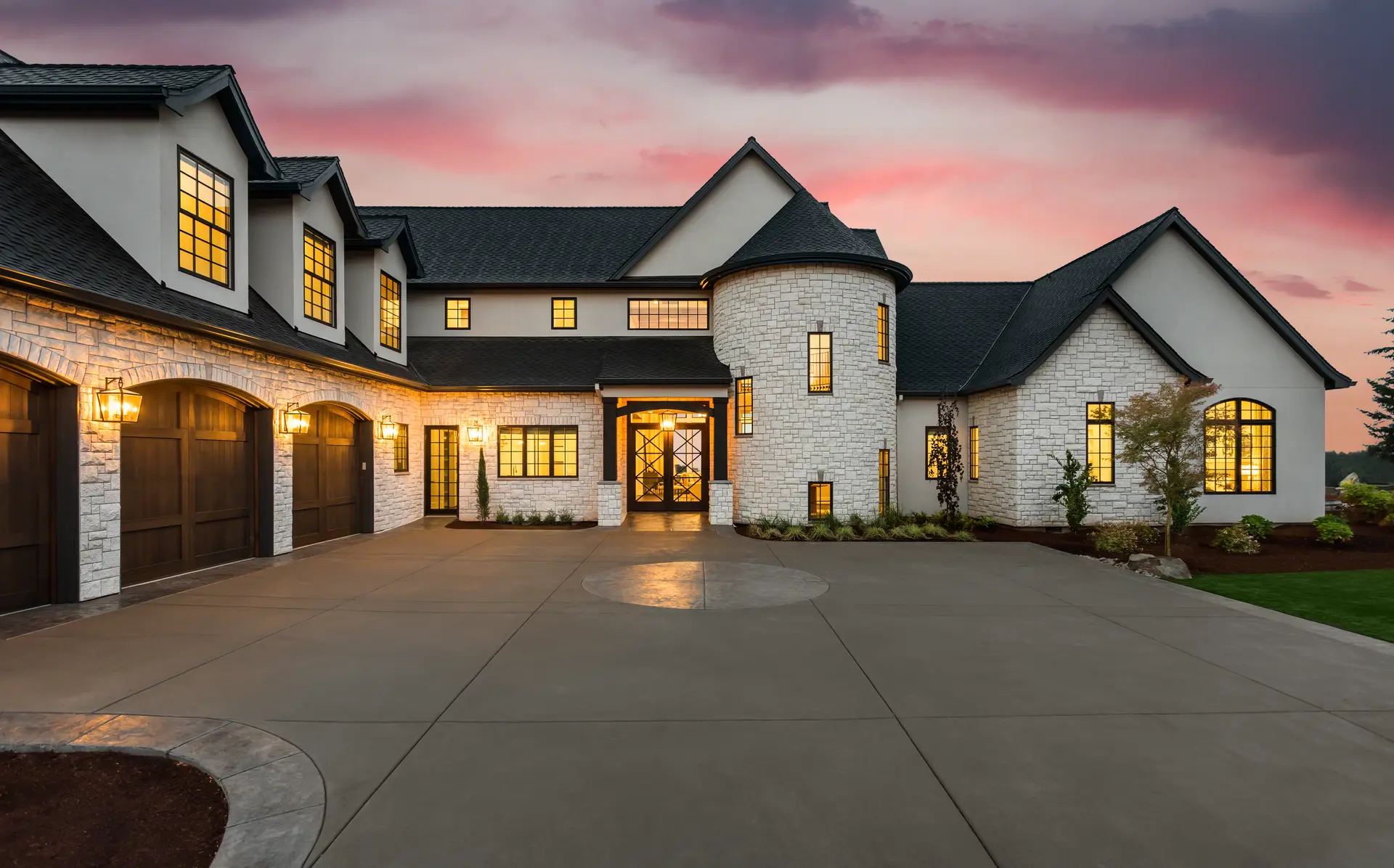
Richmond Hill has become one of the most sought-after locations in the Greater Toronto Area for high-end residential development. With its tree-lined streets, prestigious neighborhoods, and proximity to Toronto’s urban core, the city continues to attract homeowners seeking refined, architecturally distinct residences. As property values continue to climb, many buyers are choosing to design and build bespoke homes tailored specifically to their lifestyle rather than purchasing existing properties.
Creating a fully customized residence is an exciting opportunity, but it is also a complex process that requires careful planning and coordination. From architectural design and municipal approvals to structural construction and final finishing, each phase plays an essential role in delivering a home that meets both aesthetic expectations and regulatory standards.
For homeowners investing in high-value properties, understanding how the entire journey unfolds is critical. This guide walks through each major stage involved in creating a luxury residence, including timelines, approvals, and construction phases. Homeowners exploring broader design opportunities can also learn more through the Luxury Custom Home Builders in Richmond Hill for high-end residential development.
Why a Clear Construction Process Matters in Richmond Hill
Constructing a high-end residence in Richmond Hill represents a significant financial and personal investment. Because these homes often involve unique architectural features and premium materials, a well-structured construction process is essential for ensuring success.
A clearly defined process helps align the homeowner’s vision with the final built result. Detailed planning allows architects and builders to translate lifestyle preferences into thoughtful layouts, luxury amenities, and cohesive exterior designs that complement surrounding properties.
Neighborhood character also plays a role. Many established communities in Richmond Hill maintain consistent architectural styles and planning considerations. Careful design ensures that a new residence integrates beautifully into the local streetscape while still offering a distinctive presence.
Another important benefit of a structured approach is avoiding costly delays or unexpected expenses. When each phase—from design to final inspection—is carefully managed, projects are far more likely to stay on schedule and within budget.
Professional builders who specialize in high-end homes also coordinate multiple trades, consultants, and suppliers. This coordination ensures that quality standards remain consistent throughout the project while protecting long-term property value.
Step 1: Initial Consultation & Design Planning
Every successful custom home project begins with a comprehensive planning stage. During the initial consultation, homeowners meet with builders and design professionals to discuss goals, lifestyle needs, architectural preferences, and overall investment range.
This conversation typically explores how the future home will be used. Families may request open-concept living areas, home offices, wellness spaces, or entertainment areas such as wine cellars or theater rooms. Outdoor features such as terraces, pools, and landscaping concepts may also be discussed at this stage.
Once project objectives are established, architects begin translating ideas into preliminary sketches and conceptual layouts. These early designs help determine room arrangements, building orientation, and the relationship between indoor and outdoor spaces.
Site evaluation is another important component of the planning phase. Engineers and architects assess lot dimensions, grading conditions, drainage, and zoning limitations to determine the best building configuration.
After initial concepts are prepared, homeowners review design proposals and provide feedback. Revisions are made until the final architectural plans accurately reflect the desired vision and comply with municipal requirements.
For most projects, the design and planning phase typically takes four to eight weeks, depending on complexity and revisions.
Homeowners interested in regional expertise often explore experienced professionals such as Custom Home Builders in Richmond Hill for early-stage consultation and planning.
Step 2: Permits, Approvals & Municipal Compliance
Before construction can begin, the proposed home must receive approval from local authorities. This stage ensures that the design complies with zoning regulations, safety standards, and municipal building requirements.
The first step is submitting architectural drawings and supporting documentation to the Richmond Hill building department. These documents typically include structural engineering plans, grading reports, and mechanical system specifications.
Zoning regulations are carefully reviewed during this stage. Requirements related to lot coverage, building height, setbacks, and floor space ratios must align with municipal planning policies.
If a design exceeds certain zoning limitations, homeowners may need to submit a variance application through the Committee of Adjustment. This process allows the municipality to review proposed exceptions and determine whether they are appropriate for the surrounding area.
Environmental considerations, drainage plans, and safety requirements are also evaluated before approval is granted. Municipal officials may request revisions to ensure full compliance with local regulations.
The approval timeline can vary depending on project complexity, but permit review and approval typically take four to ten weeks.
Step 3: Site Preparation & Foundation Work
Once permits are approved, construction begins with site preparation. This stage prepares the property for structural work and ensures the foundation is built on stable ground.
Excavation equipment is used to clear the lot and prepare the building footprint. Grading is adjusted to create proper drainage around the future structure.
Next, the foundation is constructed. Depending on design preferences and soil conditions, the home may include a basement, crawlspace, or slab foundation. Reinforced concrete walls and footings are installed to support the structure.
Utility connections—including water, sewer, gas, and electrical lines—are also prepared during this stage. Proper servicing ensures that all future systems operate efficiently once construction progresses.
Quality inspections are performed before moving forward to framing. These checks confirm that the foundation meets engineering standards and municipal requirements.
Step 4: Framing, Roofing & Exterior Work
After the foundation is complete, the structural framework of the home begins to take shape. This phase involves constructing the skeleton that supports floors, walls, and the roof structure.
Carpenters assemble wood or engineered framing components according to the architectural plans. This stage defines the overall layout of the home, including room dimensions, window placements, and ceiling heights.
Once framing is complete, the roof system is installed to protect the structure from weather exposure. Roofing materials and underlayment provide waterproofing and insulation.
Exterior elements such as windows, doors, and wall cladding are then installed. These materials not only enhance curb appeal but also contribute to energy efficiency and long-term durability.
Inspections often occur throughout this stage to ensure structural integrity and compliance with building codes.
Step 5: Interior Build-Out & Finishes
The interior construction phase transforms the structural shell into a fully functional living space. Mechanical systems are installed first, including electrical wiring, plumbing networks, heating systems, and ventilation equipment.
After mechanical installation, walls are insulated and drywall is applied. This prepares the interior for finishing work such as painting, flooring installation, and trim carpentry.
Cabinetry, countertops, and built-in storage systems are installed in kitchens, bathrooms, and living areas. Luxury homes often incorporate high-end materials such as natural stone surfaces, hardwood flooring, and custom millwork.
Lighting fixtures, appliances, and decorative elements are then added to complete the design vision. Many homeowners also integrate smart home technologies that allow automated control of lighting, security systems, climate, and entertainment.
Projects at this stage require careful coordination between multiple trades to maintain efficiency and meet scheduling milestones.
For homeowners comparing builders across the region, professionals such as Custom Home Builders in Oakville often manage similar luxury residential projects throughout the GTA.
Step 6: Landscaping, Final Inspections & Handover
The final phase focuses on completing exterior features and preparing the home for occupancy. Landscaping work begins once major construction activities are finished.
Driveways, walkways, patios, and garden elements are installed to enhance the overall aesthetic of the property. Outdoor lighting and irrigation systems may also be added during this stage.
Before occupancy approval is granted, municipal inspectors conduct final reviews of the property. These inspections confirm that structural, electrical, plumbing, and safety systems comply with building regulations.
Builders then perform a final quality review known as a punch list. This process identifies any minor adjustments or finishing details that need attention before completion.
A final walkthrough is conducted with the homeowner to demonstrate home systems and confirm that all expectations have been met. Once the project is officially completed, warranty coverage begins.
Luxury developments in neighboring areas are often handled by experienced professionals such as Custom Home Builders in Vaughan who specialize in high-end residential construction.
Choosing the Right Luxury Builder in Richmond Hill
Selecting the right builder is one of the most important decisions in any custom home project. Experienced professionals bring technical expertise, design insight, and project management skills that help ensure a smooth construction journey.
Homeowners should review a builder’s portfolio to confirm experience with high-value residences similar to their own project. A strong track record demonstrates the ability to manage complex architectural designs and premium materials.
Transparent communication and budgeting are also essential. Professional builders provide clear cost breakdowns, realistic timelines, and consistent updates throughout the project.
Effective coordination between trades, suppliers, and consultants is another key factor. Builders who manage these relationships efficiently can maintain construction quality while avoiding delays.
Finally, reputable builders provide warranty coverage and post-construction support, ensuring homeowners have peace of mind long after the project is completed.
Conclusion
Constructing a luxury residence in Richmond Hill is a rewarding journey that allows homeowners to create a property perfectly aligned with their lifestyle and long-term investment goals. From early design planning to final inspections, each stage plays an important role in shaping the finished home.
Understanding the full construction process helps homeowners make informed decisions, avoid unnecessary delays, and ensure compliance with municipal requirements.
With careful planning and the guidance of experienced professionals, a custom-built residence can become a lasting legacy property that reflects both architectural excellence and personal vision.
Homeowners considering a new luxury residence should begin with a professional consultation to explore design feasibility, timelines, and investment expectations for their project.