
Markham’s Expanding Healthcare Infrastructure
Markham has become one of the fastest-growing urban areas in the Greater Toronto Area, with new residential communities and business districts creating increased demand for accessible healthcare services. As the population grows, so does the need for modern clinics that provide efficient patient care and professional medical environments.
Constructing a healthcare facility requires far more planning than typical office spaces. Clinics must comply with specialized construction standards, health regulations, and municipal approvals to ensure safety, hygiene, and operational efficiency.
In 2026, building requirements continue to evolve as healthcare technologies advance and building codes emphasize accessibility, energy efficiency, and safety. Developers and medical professionals planning new clinics must understand these standards before starting construction.
This guide explains the essential requirements involved in building a medical clinic in Markham—from design and regulatory approvals to construction considerations and project timelines. Property owners and healthcare providers looking for professional support can also explore solutions offered by a Markham Commercial Construction Company that specializes in healthcare facility development.
Why Healthcare Facilities Require Careful Development
Healthcare environments require detailed planning because they serve patients with diverse needs while maintaining strict operational standards. A poorly designed clinic can disrupt workflow, affect patient experience, and increase operational costs over time.
One of the primary priorities when developing a clinic is ensuring compliance with healthcare safety regulations. Proper ventilation, sanitation-friendly materials, and safe electrical systems are essential components of any medical facility. These elements protect both patients and healthcare staff while maintaining regulatory standards.
Efficient spatial design is equally important. Clinics must balance patient comfort with functional operations. Waiting areas should allow smooth traffic flow, while consultation rooms must provide privacy and accessibility. Staff workspaces, diagnostic areas, and administrative offices also require careful planning to ensure productivity.
Accessibility regulations also play a major role in healthcare facility design. Buildings must provide barrier-free entry, accessible washrooms, and compliant pathways to accommodate individuals with mobility challenges.
Another key consideration is long-term operational efficiency. Clinics that integrate energy-efficient systems, durable finishes, and adaptable layouts can support evolving healthcare technologies and patient demands.
For developers planning similar healthcare facilities in nearby areas, professional builders experienced in projects like Commercial Construction Company in Toronto can provide insights into regional regulations and construction standards.
Essential Planning and Structural Considerations
A medical clinic requires thoughtful planning to accommodate healthcare operations while maintaining compliance with construction standards. The layout must support both patient comfort and efficient clinical workflows.
Patient areas are typically the most visible part of the facility. Waiting spaces should be comfortable and well-organized, providing clear access to reception desks and examination rooms. Exam rooms must be properly sized for medical equipment while ensuring patient privacy and accessibility.
Staff areas are equally important. Medical offices often require private consultation spaces, diagnostic rooms, and administrative offices. These areas must be located strategically to allow efficient communication between medical staff while maintaining patient confidentiality.
Support spaces such as storage rooms, equipment areas, and mechanical rooms are also essential. Clinics often require dedicated storage for medical supplies, pharmaceutical products, and specialized tools.
Utility systems play a major role in healthcare facility construction. Electrical systems must support medical devices and backup power solutions. Plumbing systems must meet sanitation standards and accommodate specialized fixtures. Heating, cooling, and ventilation systems must also maintain high indoor air quality to support patient health.
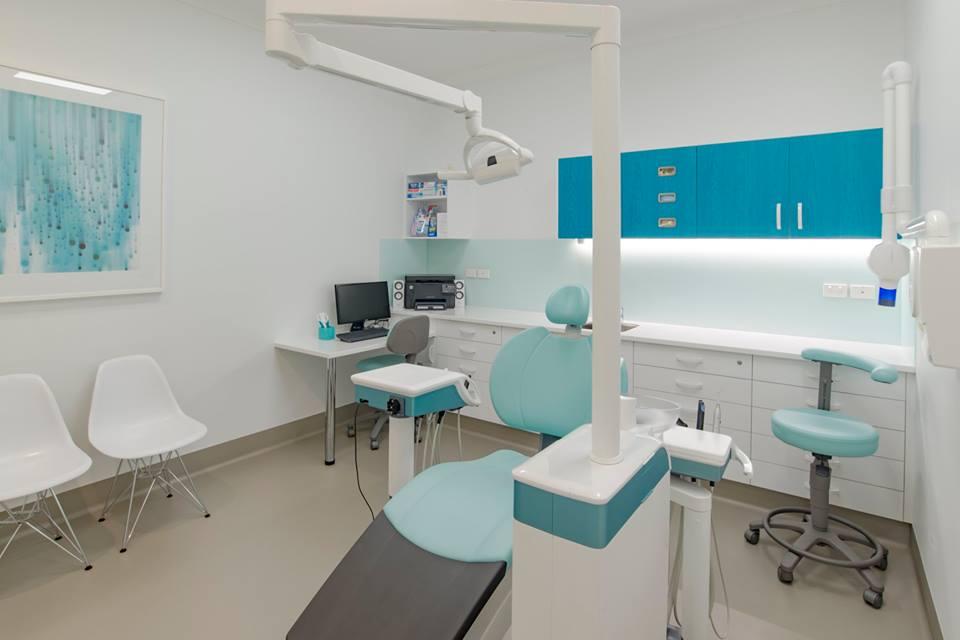
Interior finishes are carefully selected to maintain hygiene standards. Non-porous flooring, antimicrobial wall surfaces, and durable materials are commonly used to ensure easy cleaning and infection control.
Lighting also contributes significantly to patient comfort and medical accuracy. Bright, well-distributed lighting is essential for examination rooms and treatment areas, while softer lighting may be used in waiting areas to create a calming atmosphere.
Approvals and Regulatory Processes
Before construction begins, clinic developers must obtain multiple approvals from municipal authorities and regulatory agencies. These approvals ensure that the building meets all safety, zoning, and healthcare requirements.
The first step typically involves securing a building permit from the City of Markham. This permit confirms that the design plans comply with Ontario’s building codes and safety regulations. Detailed architectural drawings, engineering reports, and structural designs are often required during this process.
Zoning approvals are another critical component. Not every property is automatically approved for healthcare use. Developers must confirm that the property zoning allows medical services or apply for a variance if adjustments are required.
Healthcare facilities may also require inspections from local health authorities to ensure compliance with sanitation and safety standards. These inspections often occur at multiple stages during construction.
Fire safety approvals are equally important. Clinics must install appropriate fire protection systems, including alarms, sprinklers, and emergency exits that meet provincial safety codes.
Environmental considerations may also apply depending on the clinic’s services. Medical waste management, ventilation standards, and specialized disposal procedures must be integrated into the facility design.
Developers evaluating projects in surrounding areas may also benefit from consulting professionals experienced with projects such as Commercial Construction Company in Richmond Hill, as regional municipalities often share similar compliance requirements.
Typical Project Timeline for Clinic Development
Developing a medical clinic involves several phases, each requiring coordination between designers, engineers, contractors, and regulatory authorities.
The first phase is planning and design. During this stage, architects work with healthcare professionals to create a functional layout that meets operational and regulatory requirements. Engineering plans for electrical, plumbing, and mechanical systems are also developed.
Once the design is finalized, permit applications are submitted to the municipality. Approval timelines vary depending on the complexity of the project and the completeness of submitted documents.
After permits are granted, construction begins. This stage includes structural work, interior framing, mechanical installations, and finishing work such as flooring, lighting, and cabinetry.
Final inspections occur once construction is complete. Municipal inspectors and regulatory authorities verify that the clinic meets all safety and compliance standards before granting occupancy approval.
Although timelines vary, most medical clinic construction projects take several months from initial planning to completion. Proper planning and professional project management help prevent delays during this process.
Unexpected Expenses During Development
While construction budgets typically include major structural and design elements, several hidden expenses can arise during medical clinic development.
One common cost involves specialized equipment installation. Diagnostic devices, treatment chairs, imaging systems, and medical storage units often require customized electrical connections and reinforced structural support.
Fire protection systems are another significant expense. Healthcare facilities frequently require advanced fire suppression systems, alarms, and emergency lighting beyond typical commercial building standards.
Waste management systems may also add to project costs. Clinics must comply with strict regulations regarding the storage and disposal of medical waste, which may require dedicated facilities or specialized containers.
Accessibility upgrades can also affect budgets. Barrier-free entrances, widened doorways, accessible washrooms, and elevator systems may be required depending on the building size and layout.
Lastly, project changes during construction can lead to additional costs. Unexpected structural adjustments, updated regulatory requirements, or equipment changes may require design modifications that increase the overall budget.
Planning a contingency budget helps developers manage these uncertainties without disrupting project progress.
Selecting the Right Construction Partner
Developing a healthcare facility requires specialized expertise that goes beyond standard commercial construction. Builders must understand medical facility requirements, regulatory approvals, and operational design considerations.
An experienced builder will coordinate closely with architects, engineers, and healthcare professionals to ensure that the clinic layout supports both compliance and efficiency. This collaboration ensures that mechanical systems, electrical infrastructure, and medical equipment integration are properly executed.
Knowledge of local regulations is another essential factor. Builders familiar with Markham’s municipal processes can help navigate permit applications, inspections, and zoning requirements more efficiently.
Transparent cost estimates and realistic project timelines are also critical. A professional construction partner should provide detailed budgeting, clear schedules, and ongoing communication throughout the project.
Developers looking to build healthcare facilities can benefit from working with specialists such as Commercial Construction Company in Markham, which have experience delivering compliant and efficient medical spaces.
Final Thoughts on Medical Clinic Development
Constructing a healthcare facility in Markham requires careful planning, strict compliance with regulations, and collaboration with experienced professionals. From zoning approvals and building permits to specialized systems and interior finishes, every aspect of the project must support safe and efficient patient care.
Understanding these requirements early in the planning stage helps property owners avoid costly delays and ensures that the clinic operates smoothly once construction is complete.
Working with experienced construction professionals allows healthcare providers to focus on delivering quality care while ensuring their facility meets modern standards. If you are planning a new clinic, consulting with a specialized construction team can help you evaluate feasibility, develop accurate budgets, and successfully bring your project to completion.