
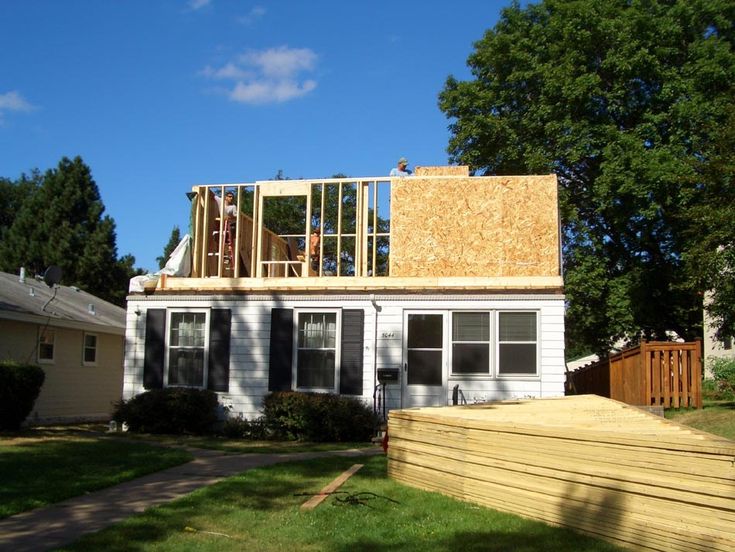
Milton’s rapid residential growth is driving a surge in demand for home additions. Whether expanding upward with a second storey or adding lateral or rear extensions, homeowners are increasingly investing in expanding their living spaces.
Obtaining a building permit is a mandatory part of any structural addition. Starting construction without proper approvals can lead to fines, stop-work orders, or costly modifications. In 2026, municipal review timelines and compliance requirements have evolved, making it essential for homeowners to understand the process before starting a project.
This guide outlines the step-by-step building permit process in Milton, including required documents, fees, costs, and expected timelines. For homeowners exploring broader renovation projects, the residential construction provides additional insights into municipal approvals and construction planning.
Why Permits Are Essential for Home Additions in Milton
Building permits ensure that all home additions comply with Milton’s building codes and zoning bylaws. They protect homeowner investments by confirming that structural, electrical, and plumbing work meets safety standards.
Proper approvals reduce the risk of fines, stop-work orders, or complications during resale. Structural safety, fire regulations, and accessibility requirements are all assessed during the permit review, giving homeowners peace of mind that their addition is safe and compliant.
Securing a permit also preserves long-term property value. Approved construction demonstrates municipal compliance to future buyers and lenders, ensuring that home improvements remain an asset rather than a liability.
Step-by-Step Building Permit Process in Milton
1. Preliminary Zoning Review
Before submitting any application, verify zoning requirements including lot coverage, setbacks, and height restrictions. Confirm the type of addition—whether vertical, lateral, or rear—to determine whether a minor variance or full review is required.
2. Architectural Drawings & Engineering Plans
Prepare detailed site plans, floor plans, and elevations. Include structural, electrical, plumbing, and HVAC designs to ensure the addition meets safety and code requirements. Properly detailed drawings reduce revisions and speed up municipal review.
3. Permit Application Submission
Submit all required documentation, including application forms, engineering plans, and supporting documents. Pay applicable fees and development charges. Accurate submissions reduce delays during the review process.
4. Plan Review & Revisions
The municipality reviews your application and may request modifications or additional information. Addressing comments promptly helps keep the project timeline on track.
5. Permit Approval & Inspections
Once approved, multiple inspections may be required during construction. Inspections ensure compliance with building codes, structural integrity, and safety standards. After final approval, the addition is cleared for occupancy.
Costs Associated with Building Permits for Home Additions
Permit costs vary depending on project size, complexity, and scope:
- Application & Review Fees: Cover municipal processing and initial review.
- Development Charges (If Applicable): Fees tied to the impact on local infrastructure.
- Engineering & Architectural Costs: Professional services required for submission-ready plans.
- Inspection Fees: Charges for mandatory municipal inspections.
- Potential Revision or Resubmission Costs: Costs incurred if plans require amendments.
Budgeting for permit-related expenses is essential. Professional contractors can anticipate potential adjustments, helping homeowners avoid unexpected costs and delays.
Timeline for Permit Approval in Milton
Permit approval timelines depend on project complexity and the completeness of the submission. Typical processing ranges from a few weeks for minor additions to several months for larger or more complex projects.
Factors influencing approval speed include zoning complexity, accuracy of architectural plans, and municipal workload. Scheduling inspections efficiently also affects construction timelines. Experienced contractors streamline approvals by ensuring submissions are accurate and complete, minimizing delays.
Common Mistakes to Avoid During the Permit Process
- Submitting incomplete or inaccurate documentation.
- Ignoring zoning restrictions or requiring variances later.
- Starting construction before receiving approval.
- Underestimating municipal review timelines.
- Failing to coordinate inspections properly, leading to project delays.
Avoiding these mistakes ensures a smooth approval process and reduces risks of costly interruptions.
Working with the Right Contractor for Permit-Approved Additions in Milton
Partnering with an experienced contractor simplifies the permit process. Key benefits include:
- Knowledge of Milton’s municipal procedures and compliance requirements.
- Coordination with architects, engineers, and specialized trades.
- Accurate documentation and timely submission support.
- Transparent timelines and budgeting management.
- Portfolio of successfully approved home additions.
For homeowners seeking reliable professionals, Home Addition Contractors in Milton offer full support, while Home Addition Contractors in Toronto provide regional expertise. Broader guidance is available through the Milton Residential Construction Company.
Conclusion
Navigating Milton’s building permit process is a critical step for homeowners planning vertical, lateral, or rear additions. From preliminary zoning review to final inspections, understanding each stage helps prevent delays, fines, and construction complications.
Professional guidance ensures compliance with codes, accurate budgeting, and timely approvals. Homeowners should consult experienced contractors before submitting applications to streamline the process and achieve a safe, compliant, and high-quality home addition.