
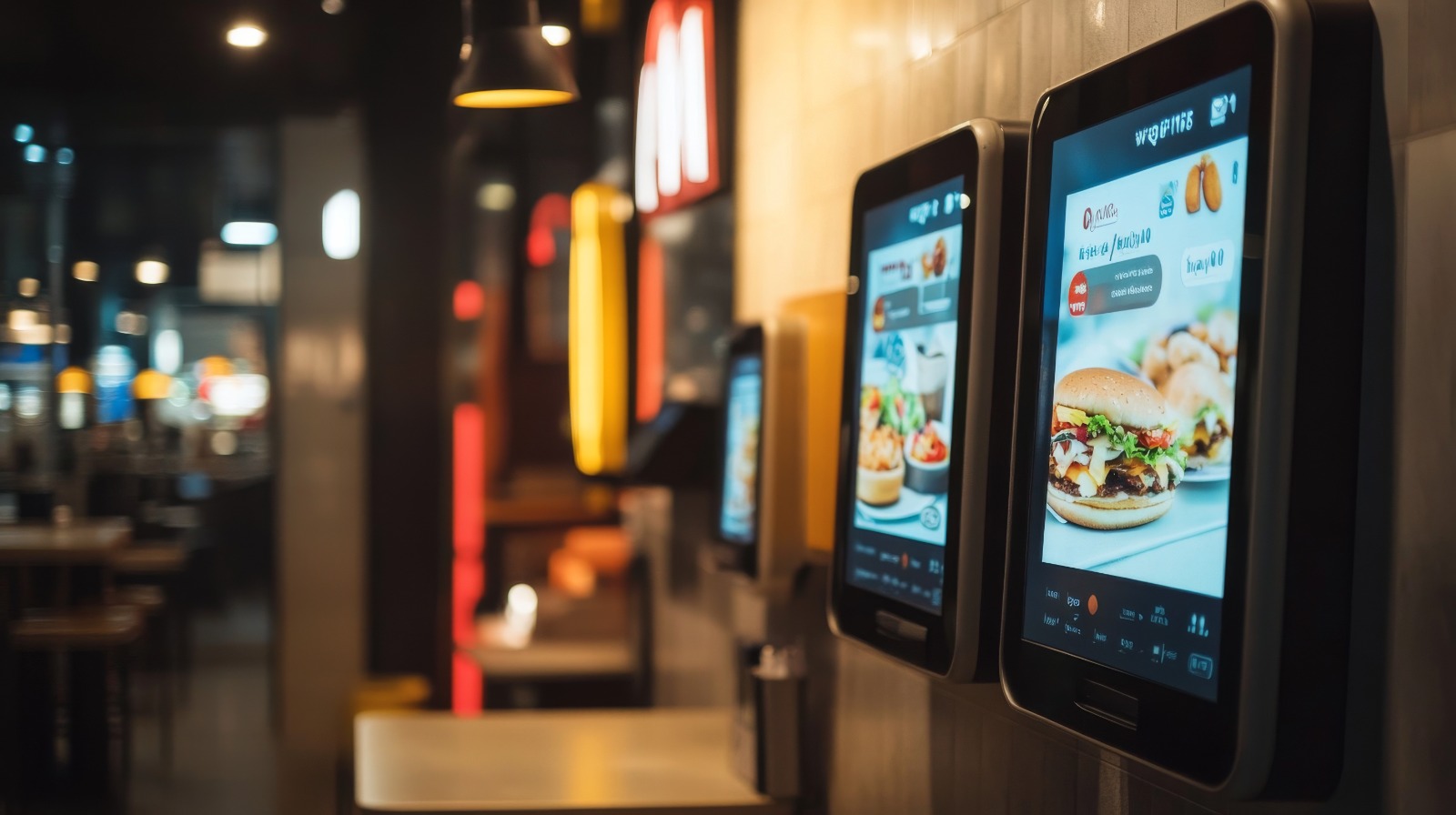
Opening a Quick Service Restaurant (QSR) in Toronto is an exciting business opportunity, but it requires careful budgeting and planning. QSRs are designed for speed, efficiency, and customer convenience, which means the construction process must accommodate commercial kitchens, optimized workflow, and attractive interiors. Without a clear understanding of construction costs, business owners risk overspending or encountering delays that can impact the launch date.
Construction costs vary depending on restaurant size, kitchen complexity, material selections, and regulatory compliance. From structural work and MEP systems to interior finishes and equipment installation, every phase contributes to the total budget. By understanding QSR construction costs, entrepreneurs can plan effectively, avoid surprises, and ensure the restaurant opens on schedule.
Factors Influencing QSR Construction Costs
Several factors impact the total cost of building a QSR in Toronto:
- Size & Seating Capacity: Larger spaces with extensive seating and dining areas require more materials, labor, and systems, which increases costs.
- Kitchen Equipment & Workflow: Commercial kitchen design, including ovens, fryers, refrigeration, and ventilation, affects both construction complexity and cost.
- Materials, Finishes & Interior Branding: Flooring, wall finishes, counters, and branding elements can range from standard to premium quality, influencing overall expenses.
- Permits & Regulatory Compliance: Toronto requires building permits, health inspections, and accessibility compliance (AODA), which can add fees and affect timelines.
- Contractor Experience & Labor Costs: Skilled contractors familiar with QSR builds can deliver efficient results, while inexperienced teams may increase cost through delays or mistakes.
Understanding these factors allows owners to plan realistically and avoid unexpected budget overruns. For additional guidance, see restaurant construction services.
Average QSR Construction Costs in Toronto
QSR construction costs vary significantly based on size and design complexity:
| QSR Size | Estimated Cost per sq ft | Total Estimated Cost | Key Features |
| Small (<1,500 sq ft) | $250–$350 | $375,000–$525,000 | Basic kitchen, limited seating, standard finishes |
| Medium (1,500–3,500 sq ft) | $300–$400 | $450,000–$1,400,000 | Full kitchen, moderate seating, custom finishes |
| Large (>3,500 sq ft) | $350–$500 | $1,225,000+ | Premium kitchen, high-capacity seating, extensive branding, advanced systems |
Cost variations depend on kitchen complexity, interior finishes, and equipment selection. For accurate budgeting, professional cost estimates and planning are essential. For further insights, see Brampton restaurant renovation services.
Cost Breakdown by Construction Phase
Understanding phase-specific costs helps plan budgets efficiently:
- Planning & Design: Concept creation, space planning, approvals, and interior design.
- Demolition & Site Prep: Preparing leased or purchased spaces, removing old structures if necessary.
- Structural & Interior Work: Constructing walls, partitions, ceilings, and installing flooring.
- MEP Systems: Installing HVAC, electrical, plumbing, fire safety, and ventilation systems.
- Equipment & Finishes: Kitchen appliances, counters, signage, furniture, and branding elements.
A rough cost allocation might be: Planning & Design 10%, Demolition & Site Prep 10%, Structural & Interior Work 30%, MEP Systems 25%, Equipment & Finishes 25%.
Hidden Costs & Contingencies
QSR projects often face unforeseen expenses that should be factored into budgets:
- Structural repairs or unexpected modifications discovered during demolition.
- Delays in permits, inspections, or city approvals.
- Material and equipment delivery delays or price fluctuations.
- Contingency budgeting for design changes or last-minute upgrades.
Setting aside 10–15% of the total budget for contingencies helps avoid financial stress during construction.
Tips to Reduce QSR Construction Costs
Business owners can minimize costs while maintaining quality:
- Hire experienced QSR contractors familiar with Toronto regulations.
- Plan design and kitchen equipment purchases early to avoid delays.
- Use modular or prefabricated interior elements where possible.
- Limit mid-project design changes that increase labor and material costs.
For professional support and cost-saving strategies, check Vista Builders’ QSR construction services.
Toronto-Specific Considerations
Local factors that affect QSR construction include:
- City permits, health inspections, and accessibility standards (AODA).
- Construction logistics for downtown versus suburban locations.
- Seasonal challenges affecting material delivery and labor availability.
Understanding Toronto-specific requirements ensures compliance and prevents delays in opening.
Estimated Timeline for QSR Construction in Toronto
Typical QSR construction timelines:
- Planning & Design: 3–6 weeks
- Permits & Approvals: 2–6 weeks
- Construction & Fit-Out: 8–16 weeks depending on size
- Interior Finishes & Kitchen Setup: 2–4 weeks
Total project duration:
- Small QSR: ~3–4 months
- Medium QSR: ~5–6 months
- Large QSR: ~7–9 months
Proper planning and experienced contractors can help ensure projects stay on schedule. For more, see Oakville restaurant construction services.
Conclusion
QSR construction costs in Toronto vary depending on size, design, kitchen complexity, and regulatory requirements. Careful planning, accurate budgeting, and experienced contractors are essential for a smooth build and on-time opening.