
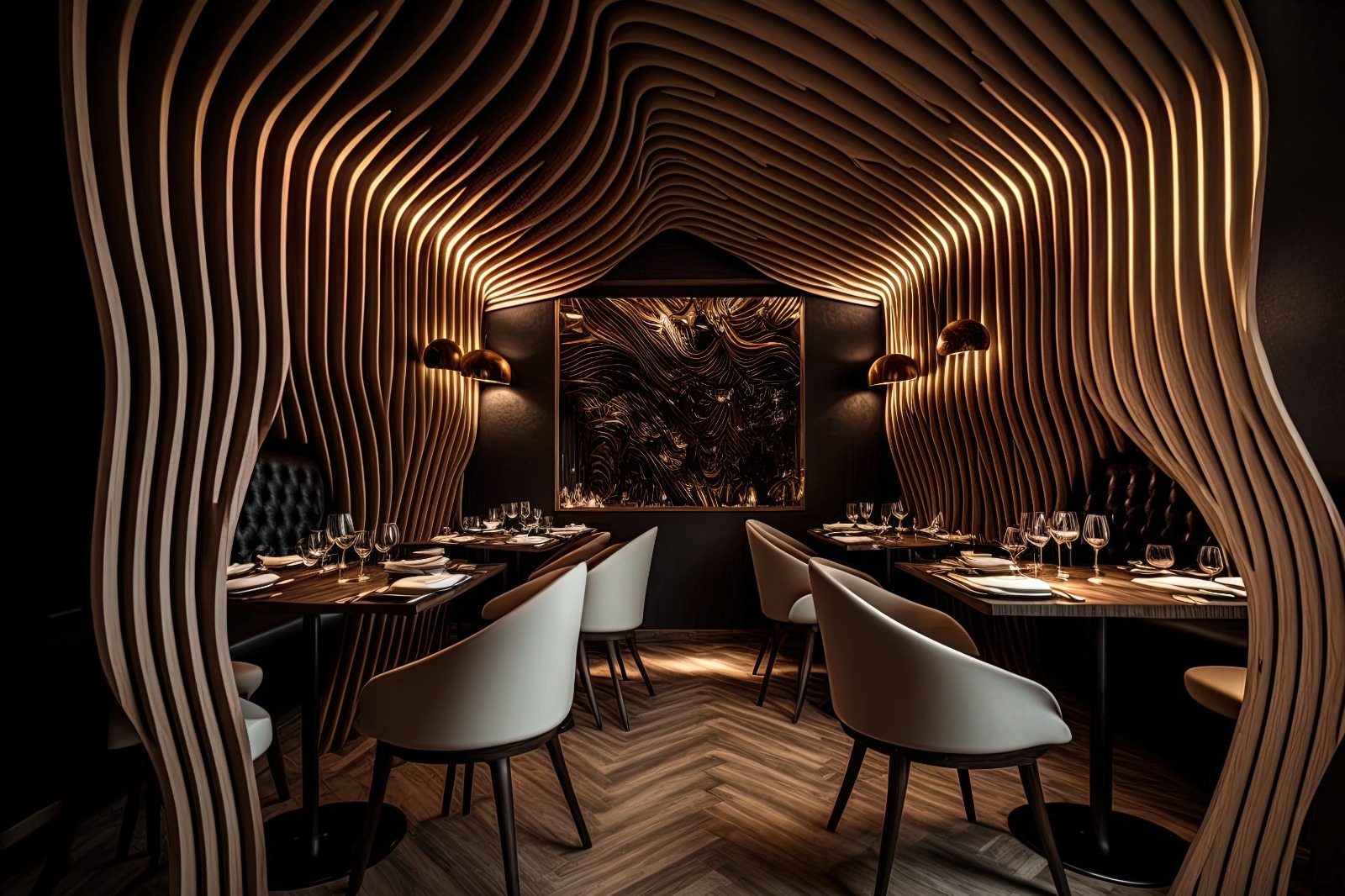
Constructing a restaurant in Toronto requires meticulous planning to ensure that the space is safe, compliant, and operationally efficient. Beyond aesthetics and layout, restaurant construction must meet strict building codes, health regulations, and accessibility standards. A well-planned construction project not only ensures compliance but also supports smooth day-to-day operations and creates an inviting environment for guests.
Costs and requirements vary depending on location, restaurant type, size, and intended capacity. Downtown Toronto projects may face additional zoning regulations, higher labor costs, and logistics considerations. Working with experienced contractors helps business owners navigate these challenges, avoid delays, and ensure the project meets all regulatory requirements.
Understanding Restaurant Construction Requirements
Restaurant construction requirements encompass all structural, mechanical, electrical, and interior standards necessary for safe and efficient operations. These requirements cover everything from the foundation and building envelope to kitchen layout, ventilation, and dining areas.
Key categories include:
- Structural Requirements: Building code compliance, fire-rated materials, and floor load capacities
- Mechanical & Electrical Systems: HVAC, plumbing, lighting, and fire suppression systems
- Interior and Operational Standards: Layout planning, kitchen workflow, seating arrangements, and accessibility
Meeting these requirements ensures the restaurant is compliant with Toronto’s building codes, operationally efficient, and safe for staff and guests. Businesses can also explore Mississauga restaurant construction services for comparative requirements and insights.
Structural and Building Requirements
Restaurant construction must strictly follow the Toronto Building Code and other municipal standards. Key structural considerations include:
- Fire Safety: Sprinkler systems, multiple exits, emergency lighting, and alarms
- Floors, Walls, and Ceilings: Durable, non-slip flooring in kitchen areas, fire-resistant walls, and appropriate ceiling finishes
- Load-Bearing Requirements: Flooring capable of supporting heavy kitchen equipment and storage
Proper structural planning ensures the restaurant can withstand daily operational stresses while remaining compliant with safety and fire regulations. These measures are essential for both new builds and major renovations of existing spaces.
Mechanical, Electrical, and Plumbing Requirements
MEP systems are critical for functionality, safety, and compliance in restaurant construction. Key elements include:
- HVAC Systems: Efficient heating, cooling, and ventilation for dining and kitchen areas
- Electrical Load & Lighting: Adequate power distribution for kitchen equipment, lighting, and dining ambiance
- Plumbing & Grease Traps: Properly installed sinks, water lines, and grease traps to meet sanitation and environmental requirements
Proper design and installation of MEP systems minimize operational disruptions, reduce energy costs, and ensure compliance with Toronto building codes.
Health and Safety Regulations
Restaurants in Toronto must adhere to strict public health and safety standards:
- Toronto Public Health Requirements: Sanitation, food handling, and storage standards
- Accessibility: Compliance with AODA ensures the restaurant is accessible to all patrons
- Emergency Safety: Fire extinguishers, emergency exits, and first-aid measures
Following these regulations protects customers, staff, and business owners from fines and legal complications. For professional guidance, check Vista Builders’ restaurant construction services.
Permits and Approval Process
Securing permits is essential before starting construction. Key steps include:
- Building Permits: Approval for structural work and compliance with zoning regulations
- Health and Fire Approvals: Health inspections, fire department approvals, and occupancy permits
- Timeline Considerations: Permit processing times can vary; planning ahead avoids construction delays
Early engagement with regulatory authorities and experienced contractors ensures smooth approvals and prevents costly delays.
Cost Considerations and Budget Planning
Construction costs for restaurants vary widely depending on size, kitchen equipment, interior finishes, and permit requirements. Average costs per sq ft for Toronto restaurants range from CAD 200–400 depending on scale and design. Key budgeting considerations include:
- Kitchen layout complexity and specialized equipment
- Dining area finishes and furnishings
- Permit fees and contingency for unforeseen construction challenges
Planning a contingency fund of 10–15% of total project costs can safeguard against unexpected delays or revisions. Vista Builders also offers restaurant construction services for comparative budgeting insights.
Phased Construction and Project Management
Phased construction helps minimize business disruptions, particularly for renovations of operating restaurants. Key practices include:
- Planning & Scheduling: Identify critical areas that can be renovated in phases
- Contractor Selection: Choose experienced contractors familiar with restaurant projects
- Monitoring & Quality Control: Regular inspections ensure adherence to project timelines and standards
Efficient project management ensures timely completion, cost control, and operational continuity.
Toronto-Specific Considerations
Restaurant construction in Toronto must account for:
- Downtown vs suburban regulatory differences
- Seasonal weather impacts, including cold winter conditions affecting construction timelines
- Local availability of materials and skilled labor, which can influence project scheduling and costs
Being aware of these factors helps prevent delays and ensures smooth project execution.
Conclusion
Constructing a restaurant in Toronto requires careful planning, strict adherence to building and health regulations, and experienced contractors. By following structural, MEP, and safety requirements and budgeting effectively, business owners can ensure a successful, compliant, and functional restaurant space.