
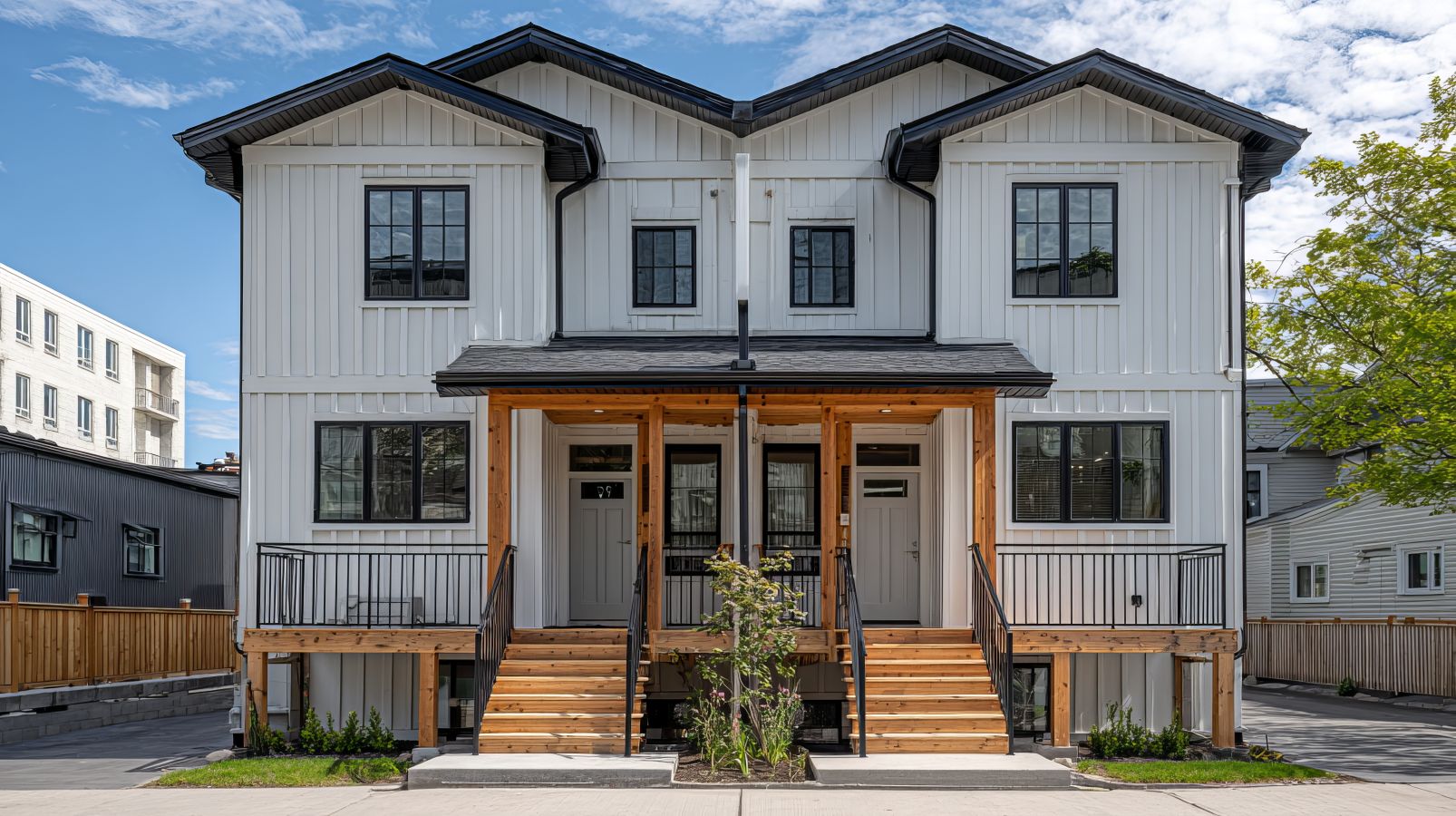
A complete home transformation is one of the most impactful investments a homeowner can make. In Toronto’s competitive real estate market, upgrading an entire property can significantly enhance comfort, functionality, and long-term value. Whether modernizing an older home or redesigning a recently purchased property, careful budgeting and strategic planning are essential for success.
Undertaking a full-property renovation involves multiple stages, from concept development and permits to structural upgrades and interior finishes. Costs can vary widely depending on the size of the home, material selections, and project complexity. This 2026 guide provides a comprehensive breakdown of expected expenses, renovation phases, and important considerations for homeowners planning a large-scale remodel in Toronto. For additional resources, visit our Renovations – Toronto category page or explore the dedicated Toronto renovation page for city-specific insights.
Key Elements That Shape Your Investment
Several variables directly influence the total cost of renovating an entire property. One of the most significant factors is the size of the home and the number of rooms being updated. Larger homes require more materials, extended labor hours, and additional coordination.
Material selection also plays a major role. Flooring, wall treatments, cabinetry, countertops, fixtures, and finishes range from standard to premium options. Higher-end selections naturally increase the overall investment.
Labor costs vary based on contractor experience and the scope of services provided. Skilled professionals may charge higher rates, but their expertise often results in higher-quality workmanship and fewer costly mistakes.
Structural modifications, plumbing reconfigurations, and complete electrical system upgrades can substantially affect both budget and timeline. Additionally, projects that involve a full structural redesign—rather than surface-level updates—require more planning, engineering, and specialized labor. For regional comparisons, visit Mississauga renovation services.
Typical Investment Ranges by Property Size
Renovation costs differ significantly depending on square footage and design ambition.
Small homes (~1000–1500 sq ft):
These projects typically include flooring replacement, kitchen and bathroom updates, painting, lighting upgrades, and moderate layout adjustments. Estimated costs range from $100,000 to $200,000 depending on finishes and structural work.
Medium homes (~1500–2500 sq ft):
Mid-sized properties often involve more extensive kitchen and bathroom upgrades, partial structural modifications, upgraded mechanical systems, and higher-end materials. Costs generally range from $200,000 to $350,000.
Large homes (>2500 sq ft):
Larger homes frequently include luxury finishes, custom millwork, structural reconfiguration, exterior improvements, and advanced mechanical upgrades. Investment levels can exceed $350,000 and increase significantly based on design complexity.
A comparison table or visual chart outlining cost ranges by home size can help homeowners quickly evaluate expected budgets. For regional project examples, explore Brampton renovation services.
Understanding Where the Budget Goes
Breaking down expenses by phase provides clarity and control over spending:
- Planning & Design: Architectural drawings, layout development, engineering consultations, and permit applications.
- Demolition & Preparation: Removal of walls, flooring, fixtures, cabinetry, and outdated systems.
- Structural Work: Framing, roofing updates, exterior modifications, and reinforcement where necessary.
- Electrical & Plumbing Systems: Full rewiring, panel upgrades, new plumbing lines, and mechanical improvements.
- Interior Finishes: Installation of flooring, cabinetry, countertops, painting, trim, and millwork.
- Appliances & Fixtures: Final installation of lighting, appliances, plumbing fixtures, and hardware.
Understanding this phased structure allows homeowners to plan payments and anticipate cost distribution more effectively.
Preparing for the Unexpected
Even with careful planning, unforeseen issues can arise during large-scale renovations. Foundation concerns, roofing damage, hidden structural weaknesses, or outdated wiring may only become apparent once demolition begins.
Permit or inspection delays can impact timelines and labor scheduling. Material price fluctuations, especially for imported products, may also influence overall costs. Additionally, design changes introduced mid-project often lead to added expenses and extended construction periods.
To manage these uncertainties, homeowners should allocate a contingency reserve of approximately 10–20% of the total renovation budget. This financial buffer helps maintain momentum without compromising quality.
Smart Ways to Control Expenses
There are several effective strategies to keep costs manageable without sacrificing results:
- Work with experienced Toronto renovation professionals who understand local codes and processes.
- Finalize layouts, materials, and finishes before construction begins.
- Consider modular or prefabricated elements where appropriate to reduce labor time.
- Avoid design changes once demolition or construction has started.
Thoughtful preparation significantly reduces delays and unexpected financial strain. For expert assistance, visit Vista Builders’ whole home renovation services.
Local Regulations and Planning Considerations
Toronto homeowners must comply with municipal permit requirements and city inspections throughout major renovation projects. Structural changes, additions, and system upgrades typically require formal approval before construction begins.
Zoning regulations and neighborhood guidelines may restrict certain exterior modifications or expansions. Additionally, energy efficiency standards and accessibility considerations can influence material and system selections.
Understanding these local requirements early in the planning process ensures smoother approvals and fewer disruptions during construction.
Project Duration Expectations
The timeline for a complete property renovation depends on size and complexity:
- Planning & Design: 3–6 weeks
- Permits & Approvals: 4–8 weeks
- Construction: 12–24 weeks depending on structural changes and finishes
Estimated total timelines:
- Small homes ~8–12 weeks
- Medium homes ~12–16 weeks
- Large homes ~16–24 weeks
Efficient coordination between homeowners, designers, and contractors plays a critical role in maintaining schedule targets. For project planning support, explore Oakville renovation services.
Final Thoughts
Renovating an entire home in Toronto is a substantial investment that requires careful planning, professional execution, and financial preparation. Costs vary based on property size, material choices, structural changes, and labor expertise. With the right strategy and experienced professionals, homeowners can achieve a seamless transformation that enhances both lifestyle and long-term property value.
Contact Vista Builders for professional whole-home renovation services in Toronto and surrounding cities to bring your vision to life with confidence and precision.