
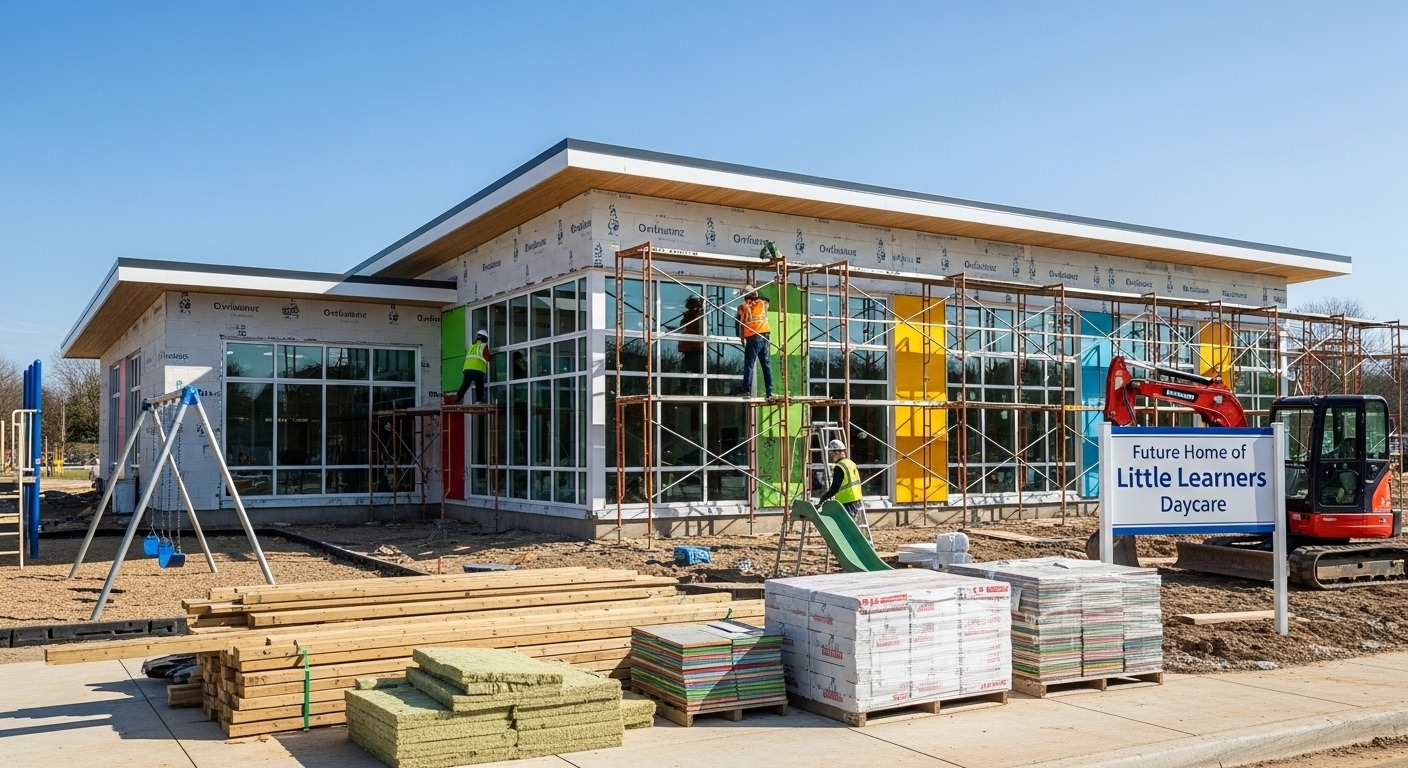
Converting a commercial space into a daycare in Toronto requires more than just interior renovations—it demands careful planning, regulatory compliance, and professional execution. Ensuring that the facility meets safety, health, and licensing standards is crucial for protecting children and staff, as well as for achieving city approvals.
With the right approach, business owners and investors can transform existing commercial spaces into functional, welcoming, and compliant daycare centers. This process involves evaluating the space, making structural modifications, upgrading mechanical systems, and following stringent health and safety regulations. Proper guidance helps prevent delays, reduces unexpected costs, and ensures that the facility can operate efficiently from day one.
Vista Builders specializes in Daycare – Toronto projects and provides city-specific Toronto daycare construction solutions, making the conversion process seamless, safe, and cost-effective.
Assessing the Commercial Space
Before beginning any renovation, a thorough assessment of the commercial space is essential. Evaluate the structural integrity of the building, including walls, floors, and ceilings, to ensure they can safely accommodate the activity levels and equipment of a daycare.
Next, analyze the layout to identify areas that can be transformed into classrooms, play zones, kitchens, and rest areas. Accessibility is a critical factor—ensure entrances, hallways, and bathrooms can accommodate all children and staff.
Identify compliance gaps based on Toronto daycare regulations, such as fire safety, AODA accessibility, and sanitation standards. Consider the number of children the space can safely accommodate and ensure functional zoning for indoor and outdoor activities. Partnering with professionals experienced in medical/daycare construction services can streamline this evaluation.
Understanding Licensing & Regulatory Requirements
Toronto has strict municipal regulations for daycare facilities, including building, health, and safety codes. Licensing requires that spaces meet fire safety, sanitation, and accessibility standards.
Compliance with the Accessibility for Ontarians with Disabilities Act (AODA) ensures that the facility is inclusive for all children and staff. Health inspections enforce proper hygiene, childproofing, and safe material usage.
It is crucial to understand the timeline for licensing approvals, which can range from a few weeks to several months depending on the complexity of the project and completeness of documentation. Proper planning at this stage ensures that the facility passes inspections without delays.
Structural Modifications & Interior Renovations
Converting a commercial space into a daycare often requires partitioning classrooms, activity areas, and rest zones to create functional learning environments. Flooring, walls, and ceilings must be upgraded for hygiene, durability, and child safety.
Outdoor play areas should be carefully designed with safe surfaces, appropriate fencing, and age-appropriate equipment. Accessibility modifications, such as ramps and widened doorways, are essential for compliance with regulations.
These structural and interior upgrades not only meet safety and licensing requirements but also create a welcoming, stimulating environment that supports child development.
Mechanical, Electrical, and Plumbing Upgrades
MEP systems must be carefully planned for a daycare conversion. HVAC systems ensure proper air circulation, filtration, and temperature control across classrooms, kitchens, and common areas.
Electrical upgrades include child-safe outlets, emergency lighting, and backup power systems to maintain operations during outages. Plumbing modifications involve the installation of sinks, diapering stations, and sanitation facilities to meet health regulations.
Properly designed MEP systems improve operational efficiency and create a safe, healthy environment for children and staff. For professional assistance, Vista Builders’ daycare construction services can handle MEP planning and implementation.
Health, Safety & Infection Control
Toronto Public Health enforces strict standards to ensure daycare facilities are safe and sanitary. Childproofing, fire drills, and emergency exit protocols are mandatory components of the facility design.
Infection control measures, such as sterilization of toys, safe material selection, and hygienic surface finishes, are crucial. Staff must have access to proper sanitation stations and cleaning equipment to maintain compliance with public health guidelines.
These measures protect children and staff while ensuring that the daycare remains compliant with licensing and inspection standards.
Permits and Approval Process
Converting a commercial space into a daycare requires building permits, zoning approvals, and occupancy permits. Coordination with municipal authorities and licensing inspectors is critical to meet regulatory timelines.
Typical challenges include permit delays, documentation requirements, and inspection scheduling. Early engagement with city authorities and experienced contractors helps mitigate these issues and ensures that the conversion proceeds smoothly and efficiently.
For reference on similar projects, Oakville medical/daycare construction services can provide guidance on local approvals.
Cost Considerations for Conversion
The cost of converting a commercial space into a daycare varies based on the size of the facility, interior finishes, playground setup, and regulatory compliance requirements. Small spaces with basic upgrades cost significantly less per square foot than larger facilities with premium materials and advanced equipment.
Other factors affecting cost include contractor experience, labor rates, and potential delays from inspections or permit approvals. Planning a contingency budget for unexpected expenses helps prevent financial strain and ensures project timelines are maintained.
Project Management & Timeline
A phased approach to construction minimizes delays, ensures regulatory compliance, and allows for smooth coordination of contractors, materials, and inspections. Selecting a qualified contractor is essential for effective scheduling, quality control, and oversight.
Expected timelines typically range from three to four months for small spaces, five to six months for medium-sized facilities, and seven to nine months for larger daycare conversions. Proper planning ensures that the project remains on schedule while meeting all city and health regulations.
Conclusion
Converting a commercial space into a daycare in Toronto requires careful planning, adherence to regulations, and experienced contractors to achieve a safe, functional, and licensed facility. By following structured steps—from space assessment to MEP upgrades and final inspections—owners can complete the transformation efficiently and cost-effectively.
Contact Vista Builders for professional daycare construction services in Toronto and surrounding cities. Our team ensures compliance, high-quality construction, and a welcoming environment for children and staff.