
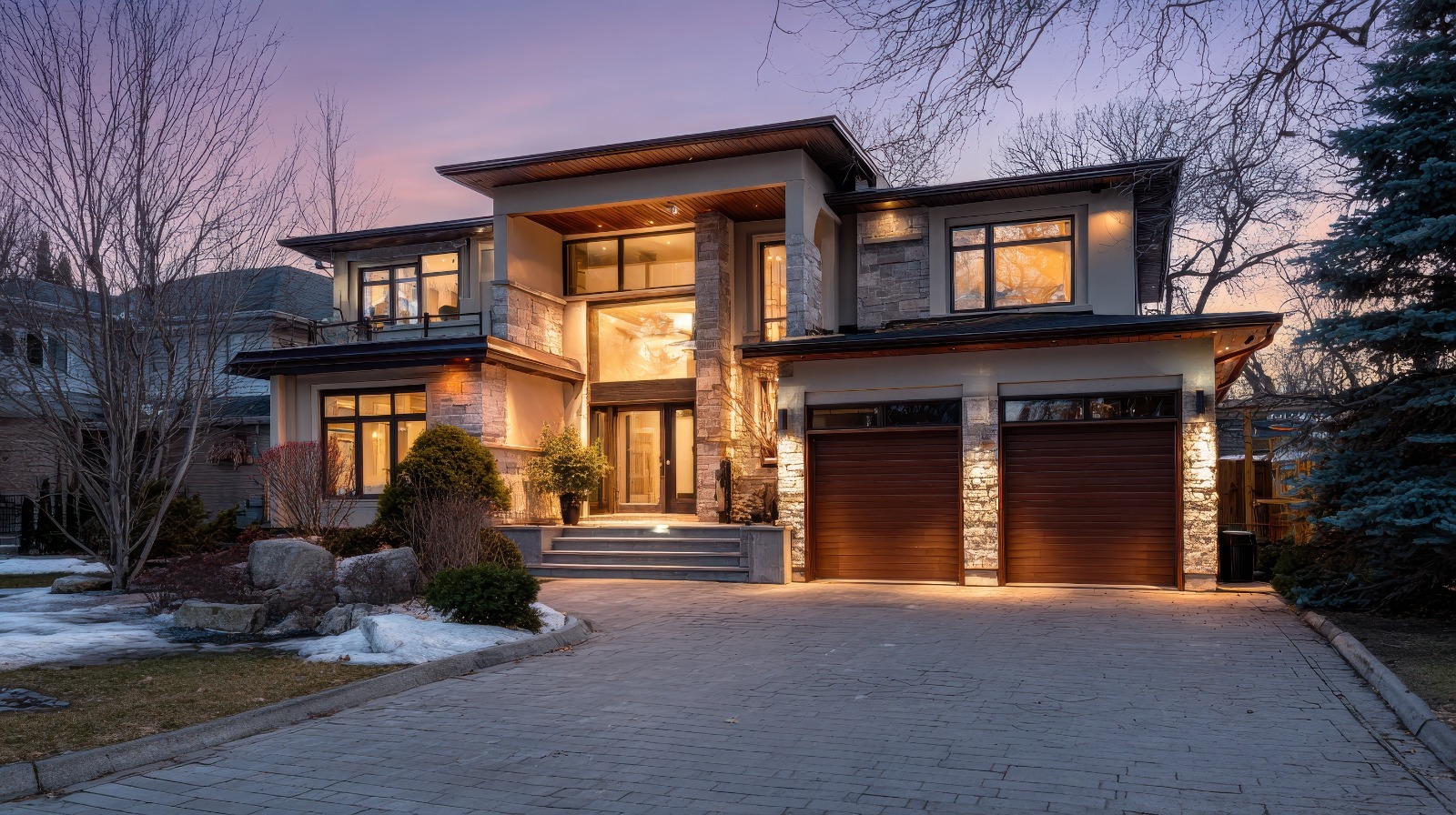
Richmond Hill has become one of the most desirable residential areas in the Greater Toronto Area, with property values continuing to rise year after year. As housing prices increase, many homeowners are choosing to upgrade their existing properties instead of entering an increasingly competitive real estate market. Transforming an entire house has become a strategic way to unlock hidden potential while maintaining a foothold in a premium neighborhood.
Relocating often involves substantial transaction costs, moving stress, and the risk of losing access to established schools, communities, and amenities. By upgrading the current property instead, homeowners can tailor every space to their evolving lifestyle without sacrificing location.
However, large-scale home transformations require thoughtful financial planning. Construction costs, permits, design services, and structural upgrades can significantly affect the total investment if not properly anticipated. Planning ahead is particularly important in 2026 as material pricing, skilled labor availability, and municipal processes continue to evolve.
This guide explains expected costs, factors that influence project budgets, realistic timelines, and long-term value considerations. Homeowners exploring high-end design upgrades can also review projects from Luxury Home Renovation Experts to better understand what is possible when planning a major residential transformation.
Why Comprehensive Home Transformations Are Worth the Investment
In premium neighborhoods like Richmond Hill, maintaining and enhancing property value is a top priority for homeowners. Large-scale property upgrades allow residents to modernize older houses while aligning them with current architectural trends and buyer expectations. Instead of purchasing a newer property at a premium price, homeowners can significantly improve their existing residence while protecting their investment.
Another major advantage is personalization. Over time, families outgrow layouts that were originally designed for previous owners. A full property transformation allows homeowners to redesign interior flow, expand living areas, and introduce contemporary design features that reflect their lifestyle. Open living spaces, upgraded kitchens, improved natural lighting, and smart home systems are among the most requested improvements.
Many families in Richmond Hill are also adapting their homes to accommodate multi-generational living. Additional suites, flexible workspaces, and functional basements provide greater flexibility without requiring relocation. These improvements not only increase livability but also add long-term resale appeal.
Remaining in an established neighborhood is another important consideration. Schools, community connections, and proximity to employment centers are difficult to replace when moving. By upgrading the existing home instead, homeowners can preserve these benefits while dramatically improving comfort and design.
Ultimately, a carefully planned project can deliver both lifestyle improvements and strong financial returns, making it a strategic decision for many Richmond Hill residents.
Typical Budget Expectations for Large Residential Upgrades in Richmond Hill
Understanding typical cost ranges is essential before beginning a major property transformation. While every project is unique, industry averages provide helpful benchmarks when planning a realistic budget.
Cost Per Square Foot
For basic cosmetic improvements such as repainting, flooring replacement, lighting updates, and minor design adjustments, homeowners can expect costs ranging between $80 and $150 per square foot. These projects focus on improving aesthetics without altering the home’s structural elements.
Mid-level upgrades involving kitchen modernization, bathroom redesigns, and moderate layout improvements generally fall between $150 and $300 per square foot. These projects often involve plumbing adjustments, cabinetry installation, and upgraded finishes that significantly improve daily functionality.
Extensive transformations involving structural changes, new floor plans, premium finishes, and architectural enhancements can range between $300 and $500+ per square foot, particularly for high-end properties that include luxury materials and custom-built features.
Total Project Cost Overview
For homes between 1,500 and 3,000 square feet, homeowners typically invest between $250,000 and $700,000, depending on the level of design complexity and finish quality.
Larger luxury residences between 3,000 and 5,000 square feet often require $700,000 to well over $1.5 million, especially when architectural modifications and premium materials are involved.
Beyond visible construction expenses, several additional costs should be considered. These may include municipal permits, architectural drawings, engineering consultations, demolition, and design planning. Accounting for these expenses early in the process helps prevent unexpected budget increases later in the project.
Major Elements That Influence Project Budgets
Several variables determine the overall investment required for a large residential upgrade. Understanding these factors allows homeowners to make informed decisions and prioritize spending effectively.
Property Size and Design Complexity
The overall square footage of the home has a direct impact on project costs. Larger homes require more materials, labor, and time to complete. Complex layouts, multi-level structures, and custom architectural elements can further increase construction expenses.
Structural Changes and Engineering
Projects involving load-bearing wall removal, structural reinforcements, or additions require engineering assessments and specialized construction techniques. These modifications significantly influence both cost and project timelines.
Interior Finish Quality
Material choices play a major role in determining the final budget. Standard finishes may include laminate flooring and stock cabinetry, while high-end projects often feature hardwood floors, custom millwork, natural stone surfaces, and integrated lighting systems.
Municipal Permits and Compliance
Local building regulations require permits for structural modifications, electrical upgrades, and plumbing changes. Approval processes can vary in duration and may require professional drawings or inspections before construction begins.
Scope and Builder Expertise
The experience and capabilities of the construction team also influence overall results. Skilled professionals can efficiently manage complex upgrades while coordinating trades, scheduling inspections, and maintaining quality standards. Homeowners researching local professionals often compare projects completed by Home Renovation Contractors in Richmond Hill to better understand available services and workmanship quality.
Larger projects with premium finishes naturally require longer timelines, but they also deliver greater design flexibility and long-term property value.
What to Expect From the Construction Timeline
A large residential transformation typically progresses through several distinct phases, each requiring careful coordination between designers, engineers, and construction teams.
The initial design and planning stage generally takes 6 to 12 weeks. During this period, architectural drawings are prepared, materials are selected, and project budgets are finalized.
Once plans are completed, permit approvals may take 3 to 8 weeks, depending on the scope of work and municipal review requirements. Structural changes often require additional engineering documentation before approvals are granted.
Construction itself usually lasts 4 to 8 months for most large-scale residential upgrades. The timeline depends on the complexity of the design, the availability of materials, and scheduling among multiple trades.
Occasionally, projects encounter delays related to inspections, supply chain issues, or seasonal weather conditions. Proper planning and clear communication between homeowners and builders help minimize disruptions and keep the project on track.
Overlooked Expenses That Can Impact Budgets
Many homeowners focus primarily on construction costs while overlooking several additional expenses that can influence the overall investment.
Temporary relocation is one of the most common considerations. Large projects often require homeowners to move out during demolition and major construction phases, which can add several months of rental or accommodation costs.
Utility upgrades are another potential expense. Older homes may require electrical panel upgrades, plumbing replacements, or HVAC improvements to meet modern building standards.
Unexpected structural issues can also arise once demolition begins. Older framing, foundation repairs, or water damage may require additional reinforcement before new construction can proceed safely.
Exterior modifications may also be necessary after interior changes are completed. Landscaping adjustments, driveway repairs, or exterior finishing improvements are often required to complement the updated interior.
To manage these uncertainties, most professionals recommend setting aside 10–20% of the total budget as a contingency fund to cover unforeseen adjustments during construction.
How to Select the Right Construction Partner
Choosing the right team is one of the most important decisions in any large residential upgrade. Experienced builders bring valuable expertise in design coordination, budgeting, and project management.
Homeowners should begin by reviewing completed projects and portfolios to evaluate craftsmanship and design quality. Companies with experience working on large-scale residential upgrades are typically better equipped to handle structural modifications and complex timelines.
Transparent cost estimates are equally important. A reliable builder provides detailed proposals outlining labor, materials, project phases, and expected completion timelines. This clarity helps homeowners avoid unexpected financial surprises during construction.
Coordination with architects, engineers, and specialized trades is another key factor. A well-organized builder ensures that every professional involved in the project works efficiently toward the same vision.
Homeowners exploring nearby examples may also review projects from Home Renovation Contractors in Oakville and Home Renovation Contractors in Vaughan to compare design styles, materials, and construction approaches before making a final decision.
Strong communication and post-project support are essential for ensuring long-term satisfaction with the finished home.
Conclusion
Upgrading an entire home in Richmond Hill represents a significant investment, but it also offers exceptional opportunities to transform living spaces while preserving location advantages. Costs vary widely depending on property size, structural changes, and finish quality, making early planning essential for accurate budgeting.
By understanding the factors that influence pricing, anticipating hidden expenses, and establishing realistic timelines, homeowners can approach their projects with greater confidence. Working with experienced professionals ensures that every stage—from design to final construction—is handled with precision and care.
For homeowners seeking to elevate their properties with sophisticated design and premium craftsmanship, partnering with specialists in luxury residential upgrades can help turn a vision into reality while maximizing both comfort and long-term property value.